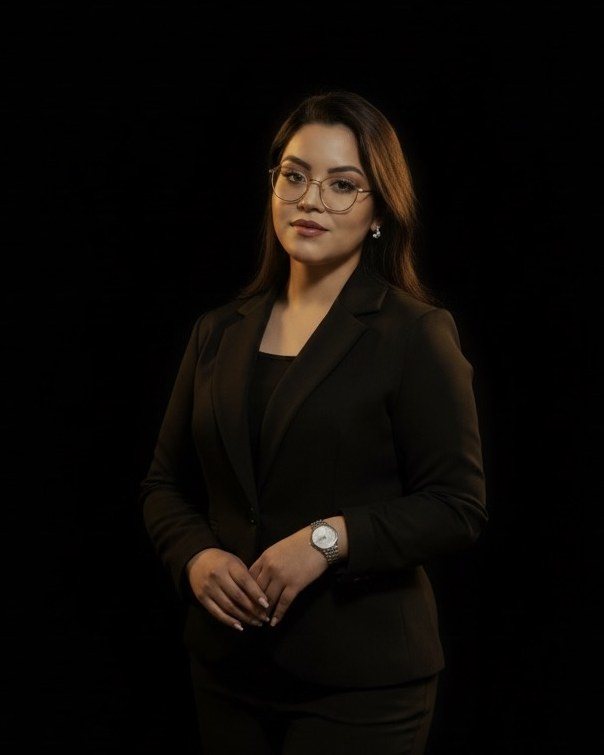
Afghan novelist, poet, and filmmaker. Author of The Unwanted: Ten Days to Death, the first dark fantasy novel in Afghan literature.
A life in six chapters
Her Story
“I am an Afghan girl, alive through words and sentences, a girl who is thirsty for literature.”Sana Mohtasebzada (Boone, 2024)
Chapter One
A Library in Herat
◆
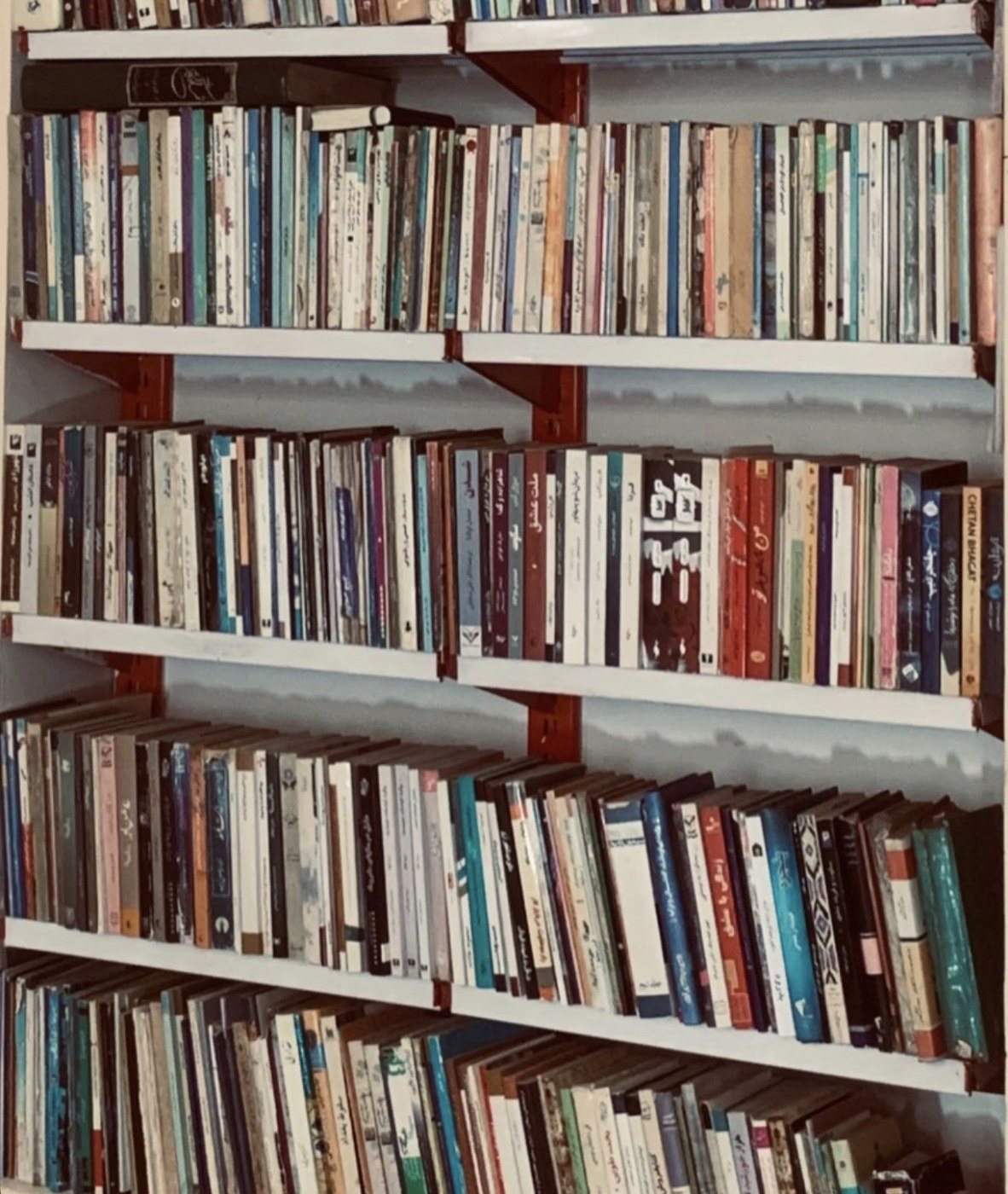
Sana Mohtasebzada was born in 2003 in Herat, Afghanistan, into a family in which literature and art touched everything. Her mother had always loved books, and her father loved his wife so much that he built her a library. It held more than 5,000 volumes, and wherever anyone looked in the house, there were books.
The family library in Herat.
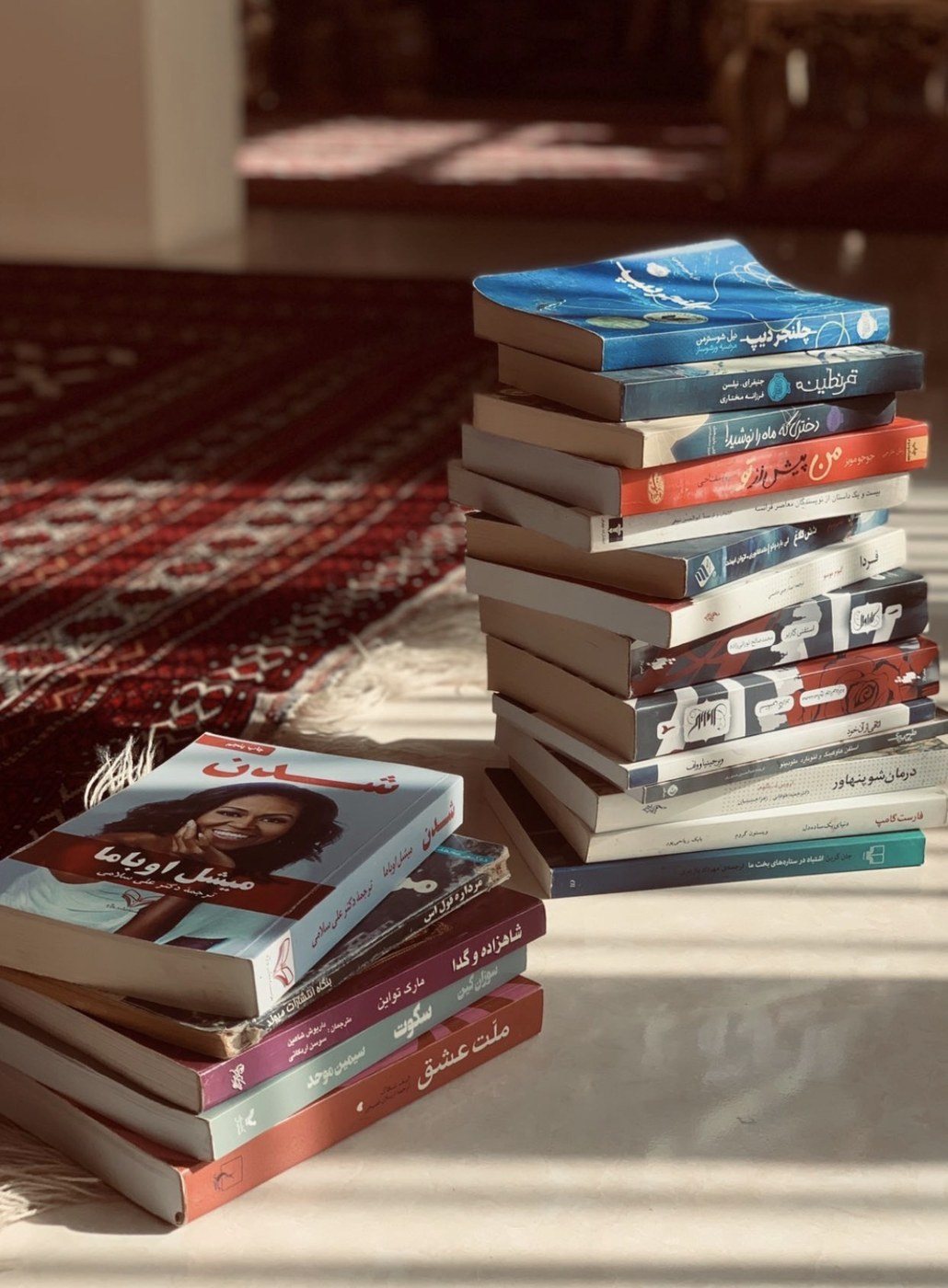
One afternoon when Sana was 8, her mother handed her a book. It was The Alchemist, by Paulo Coelho. Sana had no idea what such a book might hold and assumed it would be like her schoolbooks. By the second page, she had lost track of the day. She saw, for the first time, how large a world could be hidden in white pages and rows of letters. The book was a gate, and she had only just stepped through it.
From then on, she read until morning and spent her days thinking. She and her father often read Rumi’s poetry and other books together. What she loved most was the imagination that reading had brought to life in her.
“I no longer needed to sleep in order to dream. I could dream with my eyes open, build worlds, and stay lost in my thoughts for hours.”
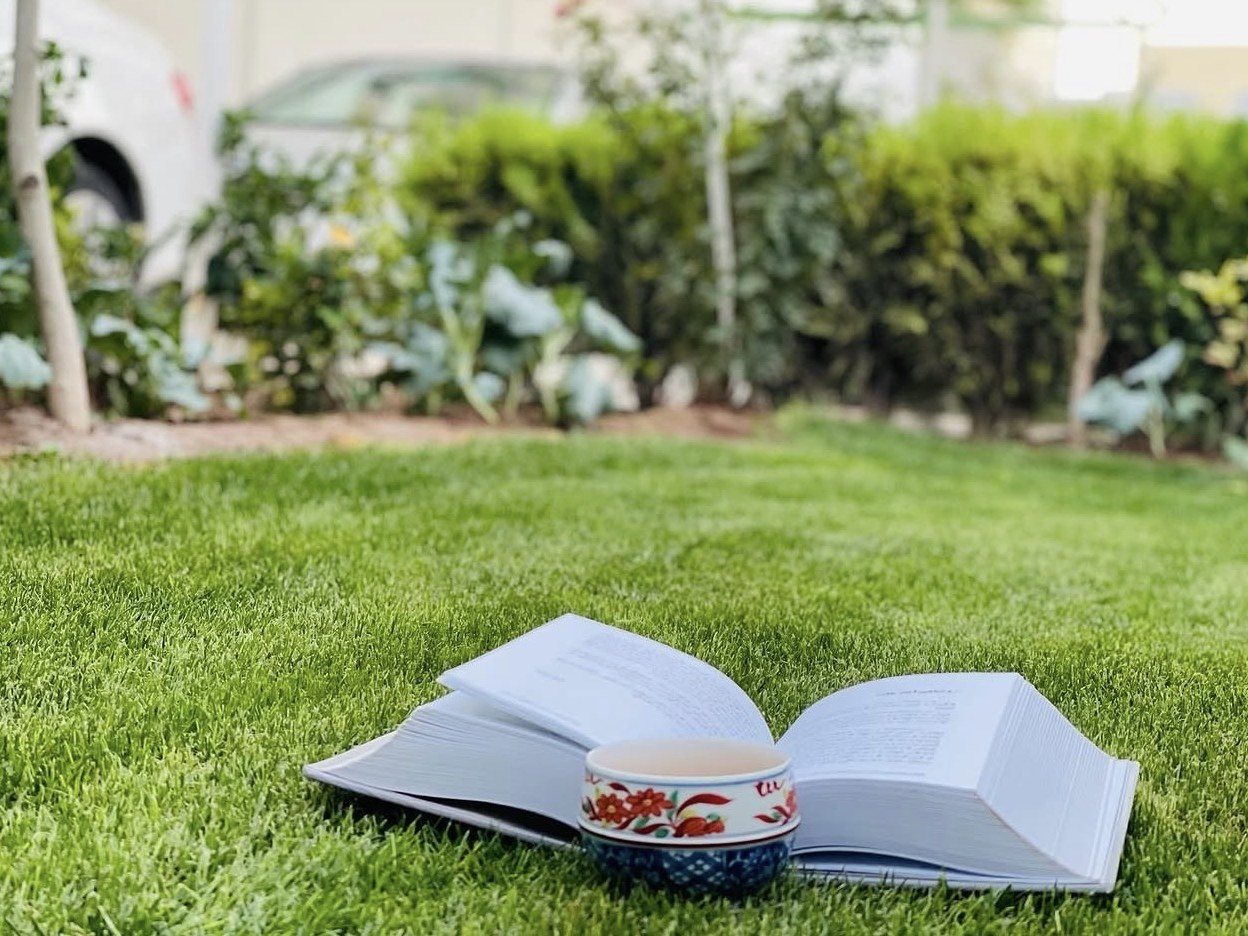
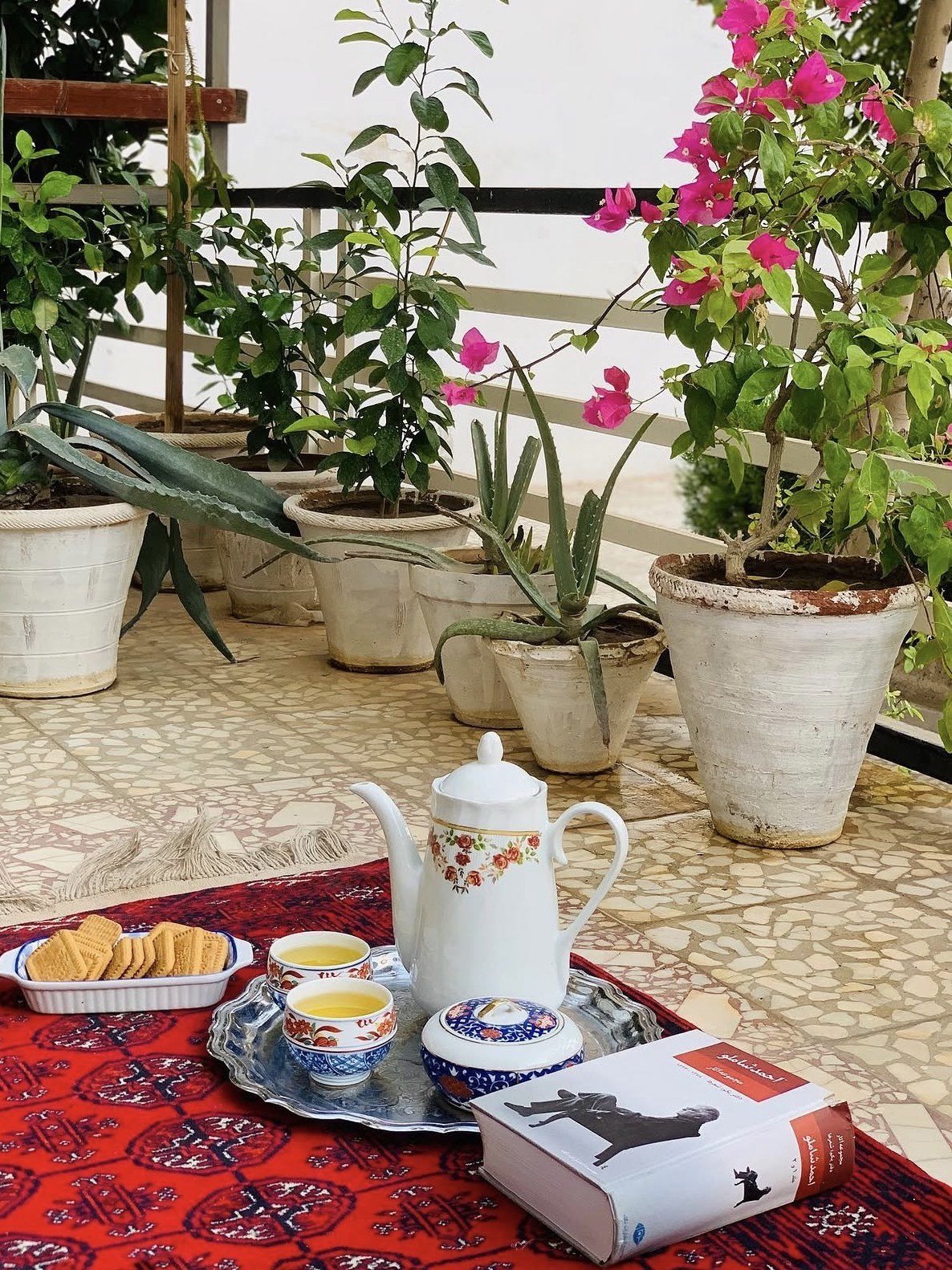
The garden of the family home in Herat, where Sana spent part of every day, and the corner where she and her father read together.
That same year, she picked up a pen. Her parents were her first listeners, and they always believed that she would one day write stories that touched people’s hearts.
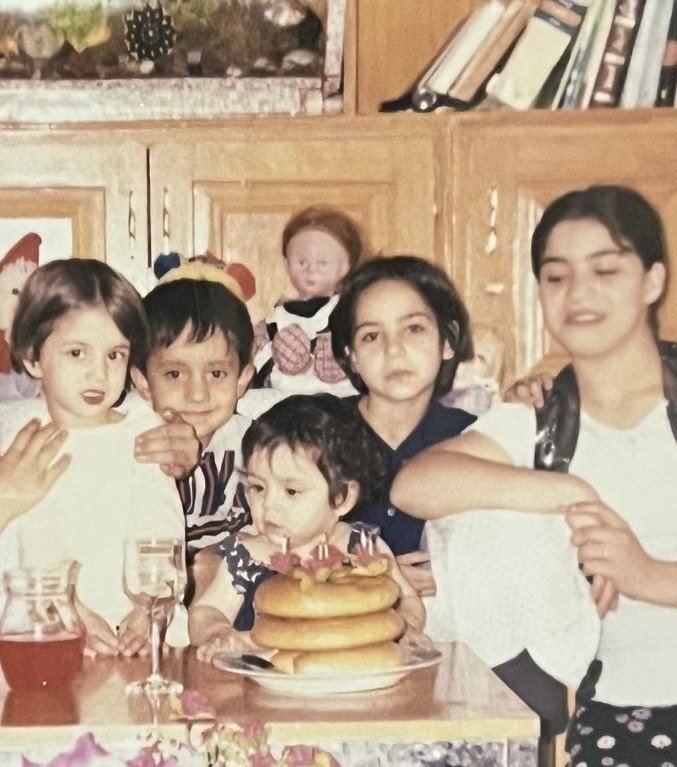
Sana, at the center behind the cake, on her birthday with her family.
At 9, she wrote her first script. It was for Sabaq, a children’s program on Khurshid TV that her mother directed. Her mother, a writer, a director, and an advocate for the rights of women and children, also ran Salam Salam Bacheha, a magazine for children and teenagers. Sana spent hours behind the scenes. The feeling was close to the one The Alchemist had given her, with one difference: This was a world she could touch. Here she could hold a camera, design a set, and guide actors toward what she believed was right, and she could watch a scene being filmed for hours without wanting it to end.
It was there that she understood where she belonged.
“If every person in this world has a reason to be alive, mine is to make art. I came into this world to create.”
Films worked on her as books had. Dead Poets Society and The Shawshank Redemption made her heart beat faster while she watched them and again afterward, when she thought about them. She wanted to know why, and in time she had her answer: This is what art, and the discovery of its secrets, does to a person. She wanted with her whole being to be part of it.
In those years she read fantasy and dark fantasy, one book after another. They gave her a place she could reach from anywhere just by closing her eyes, a world that ran by her own rules and was as kind as she wished it to be.
Chapter Two
Line by Line
◆
The world outside the house ran by other rules, and from an early age Sana saw them at work. She heard the way men spoke about women. She had to cover her hair and her body before she went out, although she was a child. When the family drove through the city, she could not put her head out of the car window, because she was a girl. At the school gate, she watched girls being humiliated because a dress was a little too short or a fingernail a little too long.
Each time she left the house, she met a strange world, one in which everything seemed to be forbidden to women. She was learning that being a girl decided far more than she had known. Years later, she understood something else: Her parents had always tried to hide that world from their children so that they would not grow up with hatred and fear. Their efforts changed nothing. As Sana grew, she found herself living inside that nightmare and under its rules.
“Being a good girl had its own definition. It was like a map, and if you wanted to stay alive in that world, you had to follow its rules line by line.”
Her answer was a story, her first. She was 9, an age when a child might be thinking about dolls and dresses, and she called it “Our Rights Are Equal.” By 11, she had finished her first novel, The Piano of Fate. At 12, she was writing articles on science and trying every form she could find, and each attempt sent her back to storytelling, the work she loved most. At 13, she wrote her own continuation of the Harry Potter series. At 17, she began a book that she hoped would bring something new to Afghan literature.
Sana writing at her desk in Herat.
“Writing fantasy in a country where my very existence was a crime gave me a freedom I had never even dreamed of.”
Chapter Three
What Was Left Behind
◆
By August 2021, Sana was studying in Kabul. On August 15, she was sitting in a classroom, leaning back in her chair, unable to think of anything but the disaster that might be coming. Then her professor opened the door and shouted, “The Taliban are here; they have reached Kabul” (Alfveby, 2025).
In a single moment, she thought of a thousand things. What would happen before she reached home? Were her mother and father alive? Was the rest of her family? Whether she herself would reach home alive was the last thing she thought of.
“It was like being asleep when the roof of your house falls in on you, with no way to escape and no way to breathe.”
Within hours, every dream she had was destroyed, and she knew that from then on she would be a prisoner in her own home. Her mother, who had lived through the first period of Taliban rule, from 1996 to 2001, said she had never imagined that history would repeat itself or that her children would have to live the nightmare she had known.
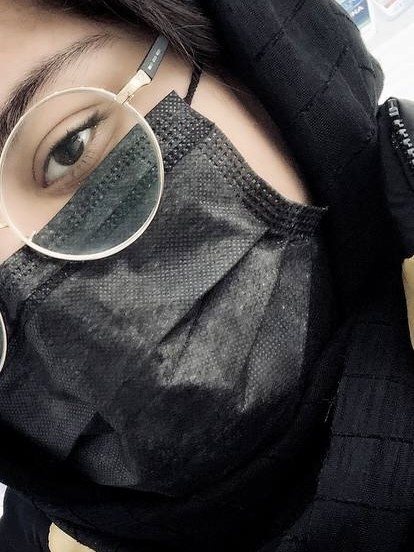
The next day, for the first time in her life, Sana had to cover her face to go outside. “That was when I understood that the world was not joking with me,” she says. She had lost everything, and she simply did not want to believe it.
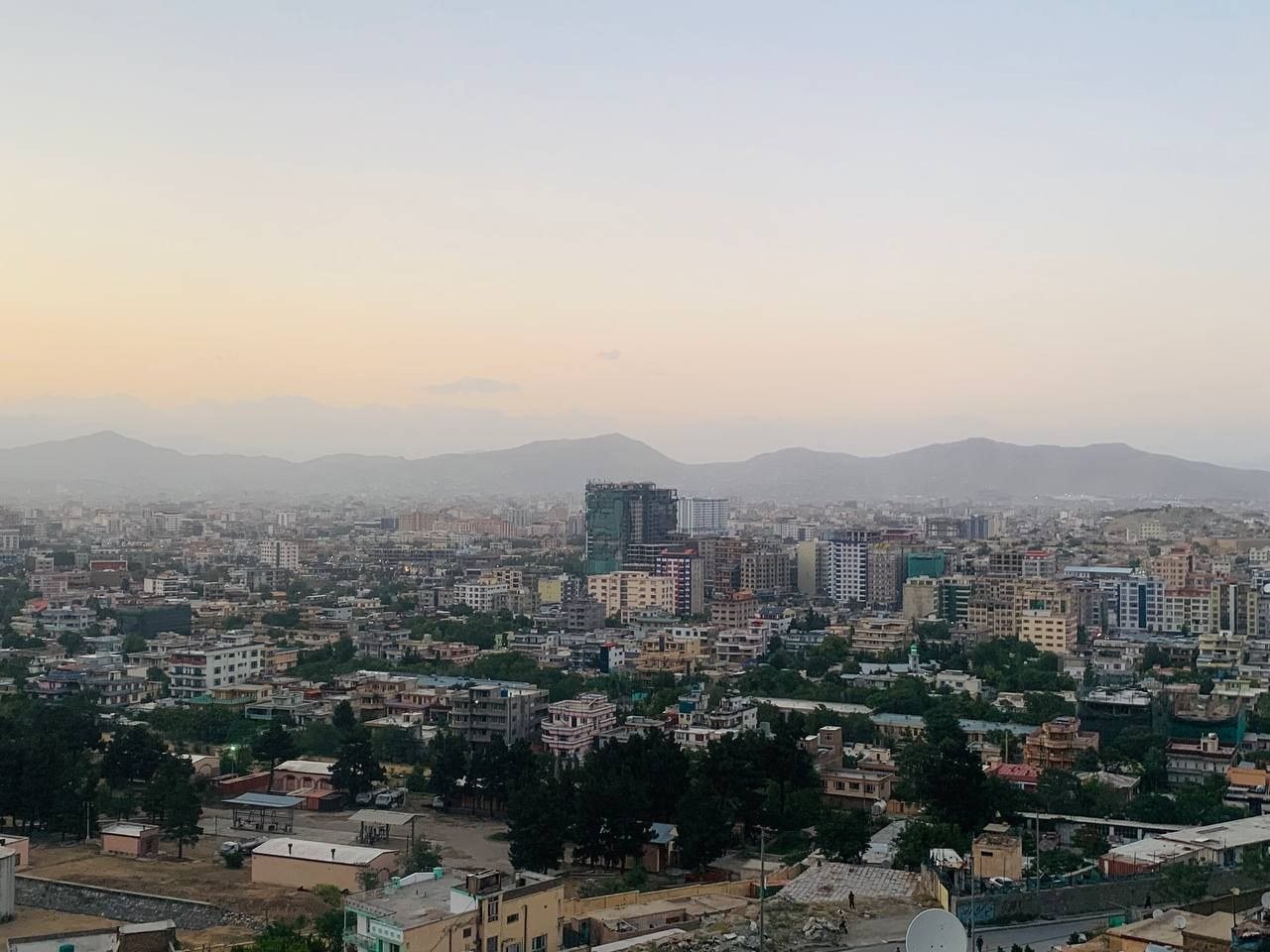
Kabul, photographed by Sana. Sana on the day after the city fell, her face covered.
The family returned to Herat for safety. “All doors were closed to us,” she said later, “especially to women” (Alfveby, 2025). In the end, they were forced to leave Afghanistan, and they waited a long time in Pakistan for the chance to enter the United States.
“Leaving Afghanistan felt like losing a mother in whose embrace I had spent my entire life.”Sana Mohtasebzada (Alfveby, 2025)
She felt that an important part of herself had stayed behind, a part that nothing could ever replace. The pain of migration entered her writing and deepened it, and she did not stop. Two of her short stories, “Tell Me About Heaven” and “Try to Stay Crazy,” were published in Canada.
Chapter Four
The Book
◆
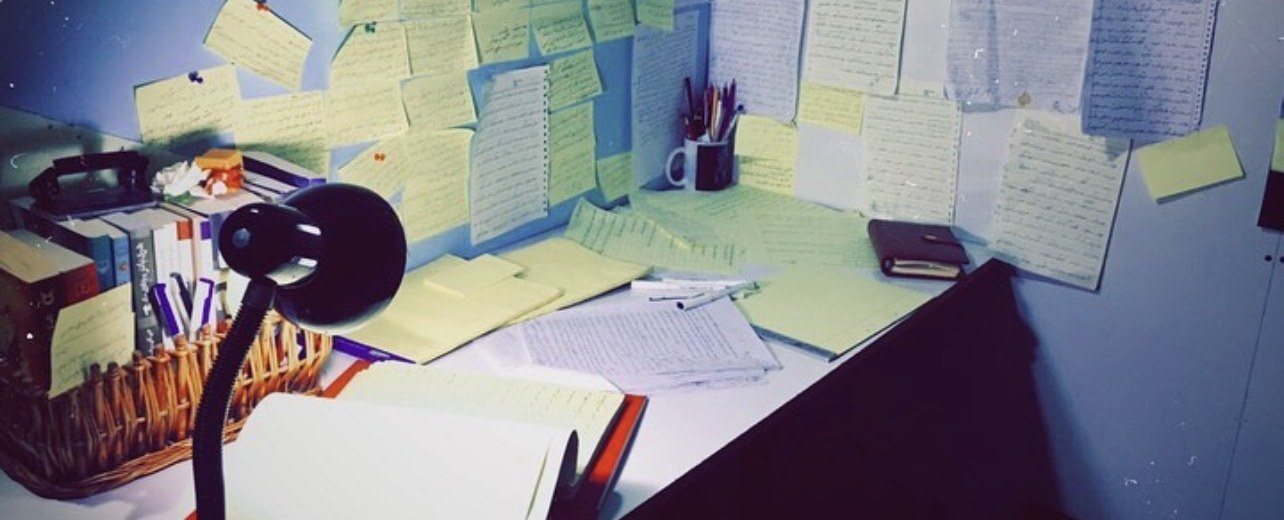
Through all of it, Sana was at work on a new novel, first in Afghanistan and then in Pakistan. She wrote at her desk, always, and she wrote until morning. At night, the city was silent, and its silence calmed her. She did not notice the pain in her fingers, because what was in her mind had to be set free.
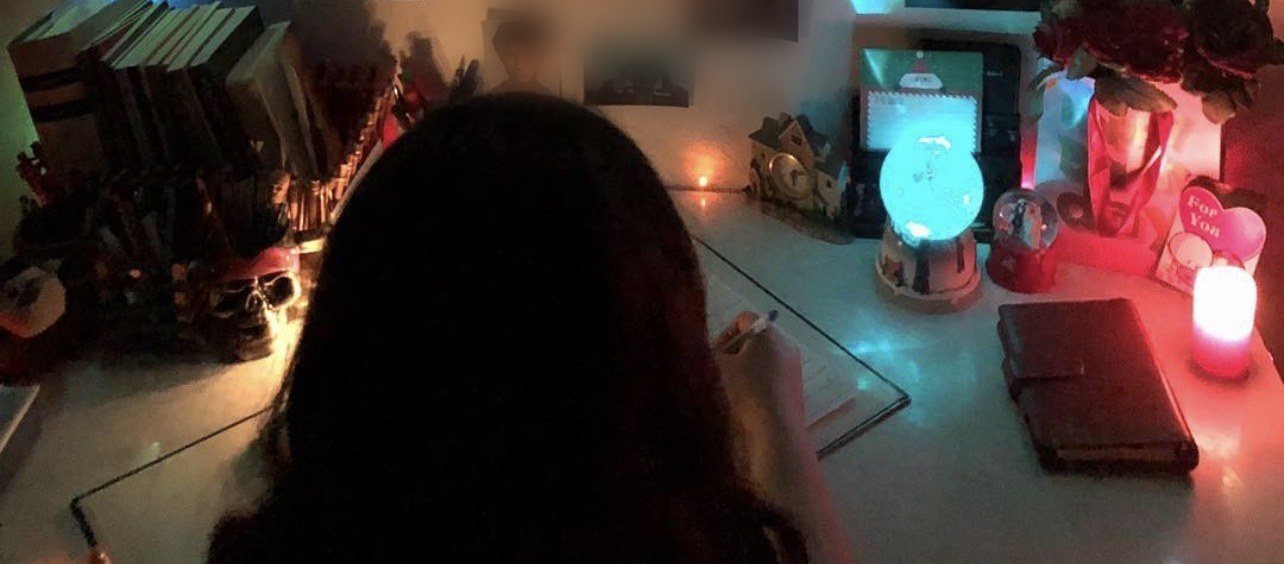
The desk in Afghanistan where she wrote, the wall covered with her notes.
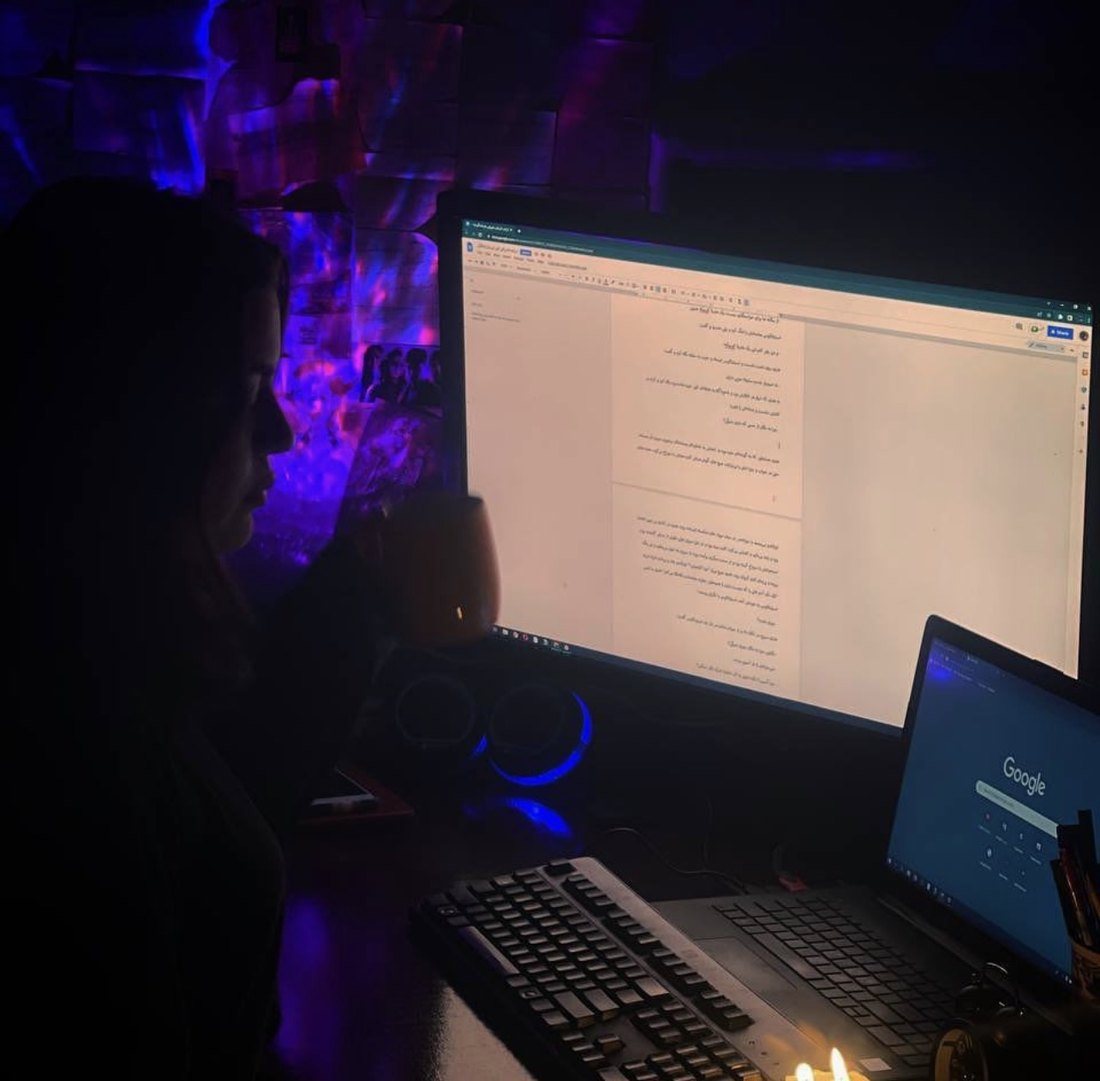
On those nights, she thought about what the book might be: a hope, in the middle of the nightmare, for the women and girls of her country, and a reminder that although their bodies could be imprisoned, no law could imprison their minds or their imagination. Every day, she pictured the smile that news of its publication might bring to girls like her, and she thought of the book as a light shining in the darkest place in the world.
Sana in Pakistan, writing the novel.
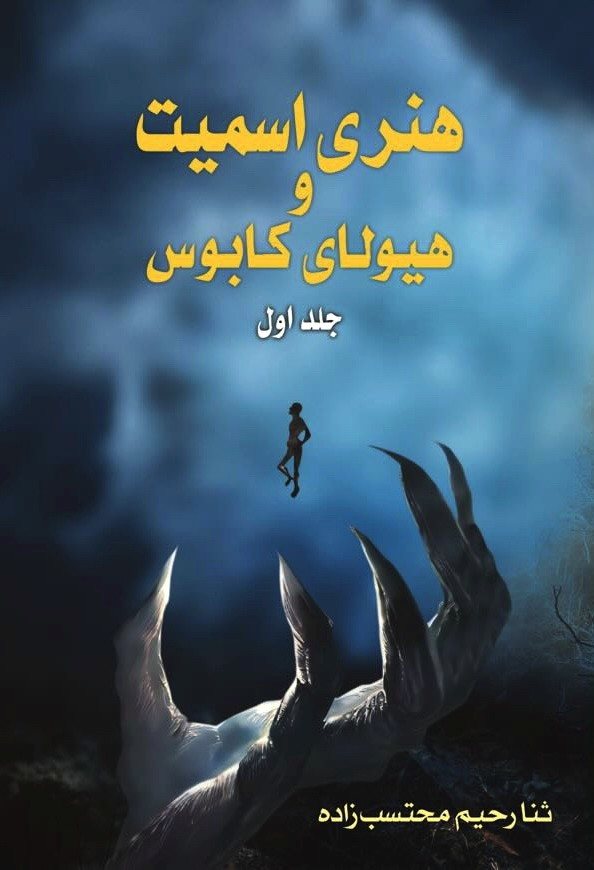
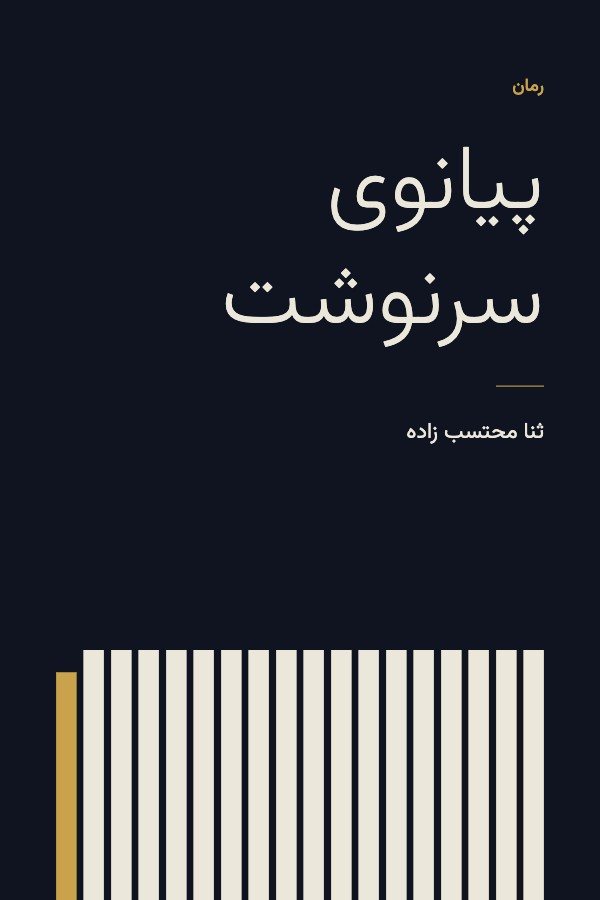
She finished it: The Unwanted: Ten Days to Death, the first dark fantasy novel in Afghan literature.
“I wrote with all my being, through the blackest nights and the saddest days, hoping that readers, wherever in the world they are, would feel a sense of belonging in this book.”
On October 5, 2023, Sana stood on Vilano Beach in St. Augustine, Florida, the first place she went after arriving in the United States. She felt sorrow and calm together, and she felt like the sea in front of her, both deep and clear. Above all, she could breathe without fear, and she breathed in again and again that day. She had waited many months for that breath.
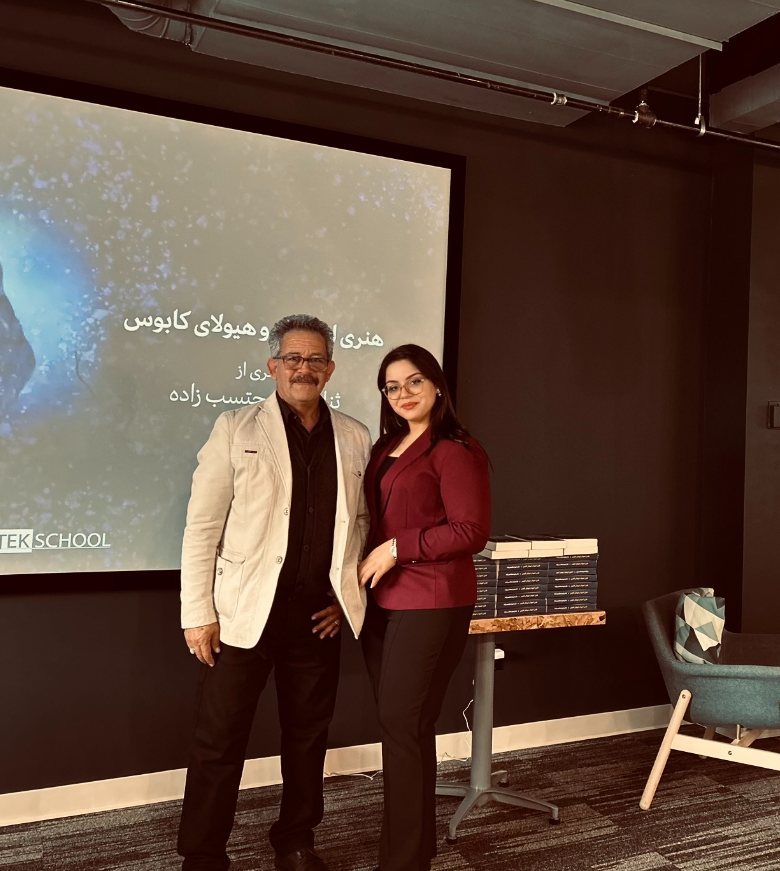
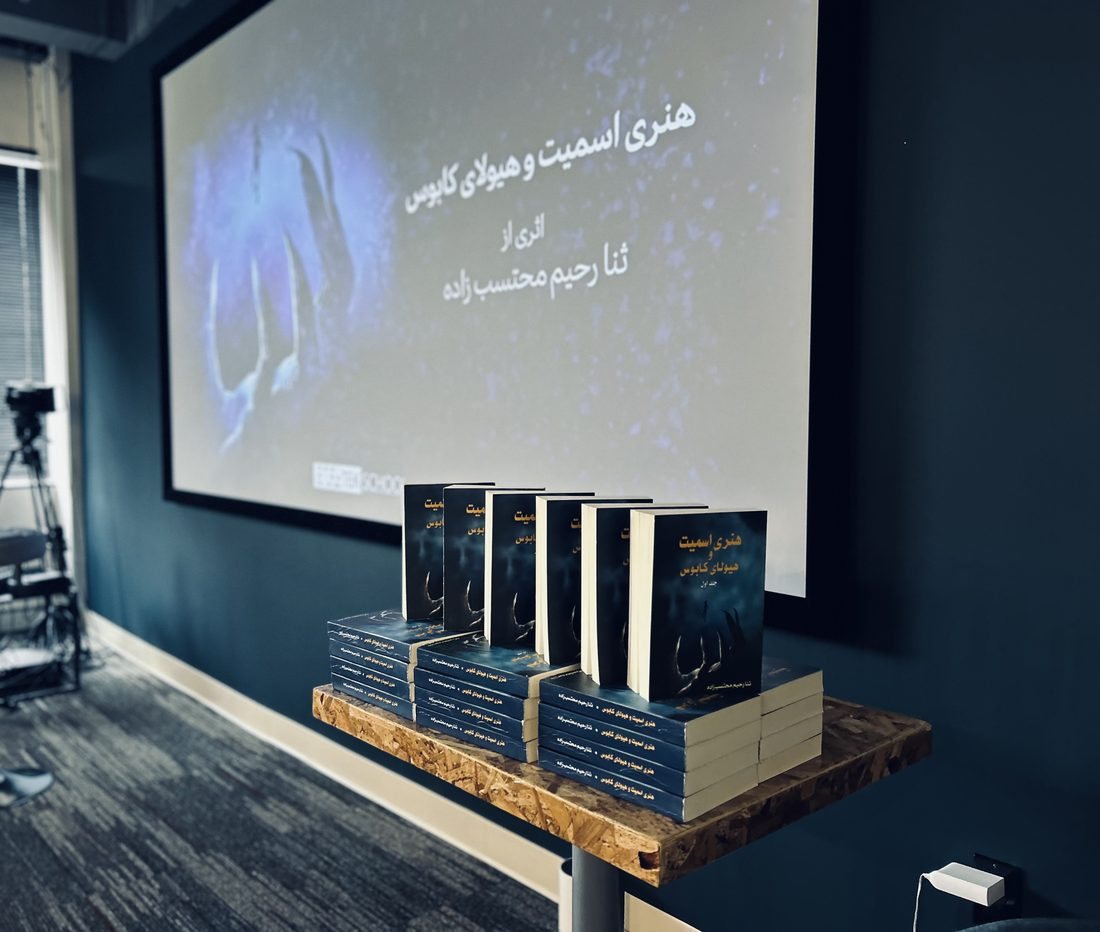
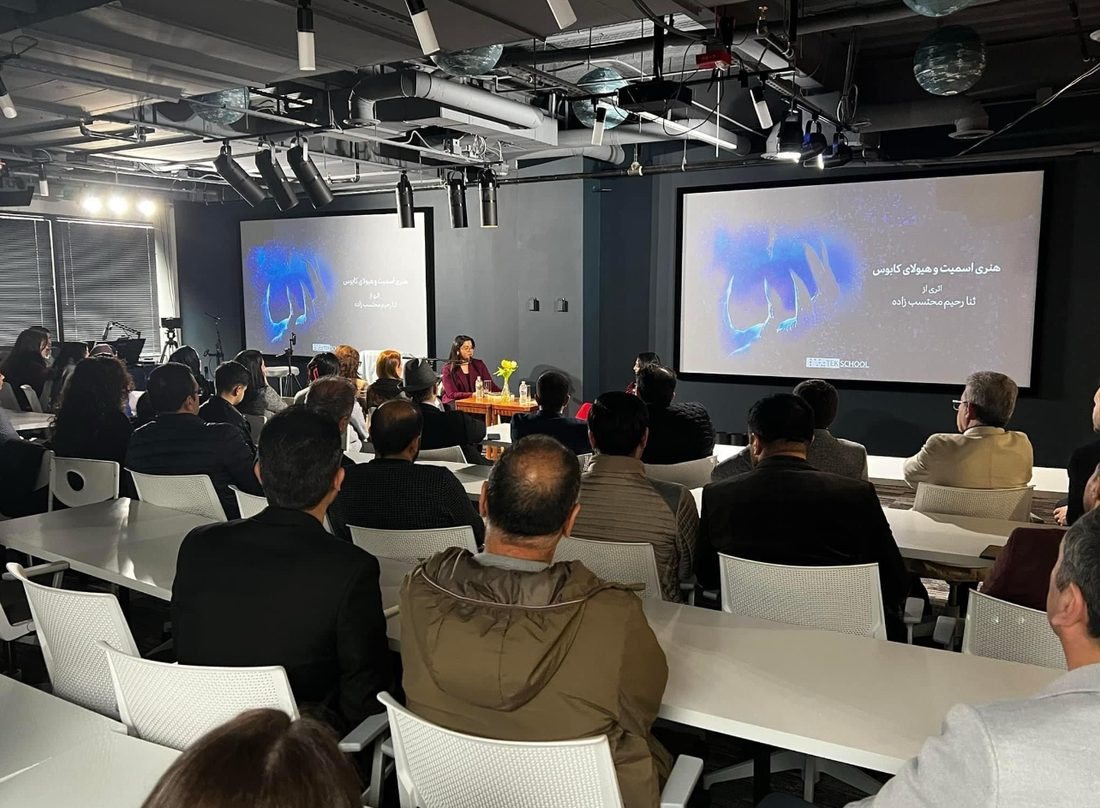
She set out at once to publish the novel. She had always dreamed of publishing it in Afghanistan, where she belongs, but the Taliban’s return to power had put that dream out of reach. The Persian edition was published in Virginia, and on May 2, 2024, it was launched there.
Her father stood beside her that day, as he always has. He is the man who built the library, and his belief in her taught her that she could reach for her dreams without a thought for her gender and that being a girl would never stand in her way.
Sana with her father at the launch.
Sana calls the book a gift from an Afghan to the people of the world and a symbol of peace from the people of Afghanistan, a sign that the imagination of an Afghan girl can reach across every border.
Chapter Five
Poetry and the Camera
◆
Sana is also a poet. Poetry came to her during her first semester at Flagler College, in St. Augustine. She was beginning her studies in a new country and a new language, and building a life again from nothing. She lived each day in fear for the people she had left behind. While she tried not to lose herself in the new world, she was at war with her past and with the world she had come from. It was, she says, a war among the things that had made her who she was.
The first poem came one day on the third floor of the college library. She wrote it, and the poems that followed, in English, the language in which she had only just begun to look for herself.
“In that moment, English did more than give me a new identity. I felt it embrace me.”
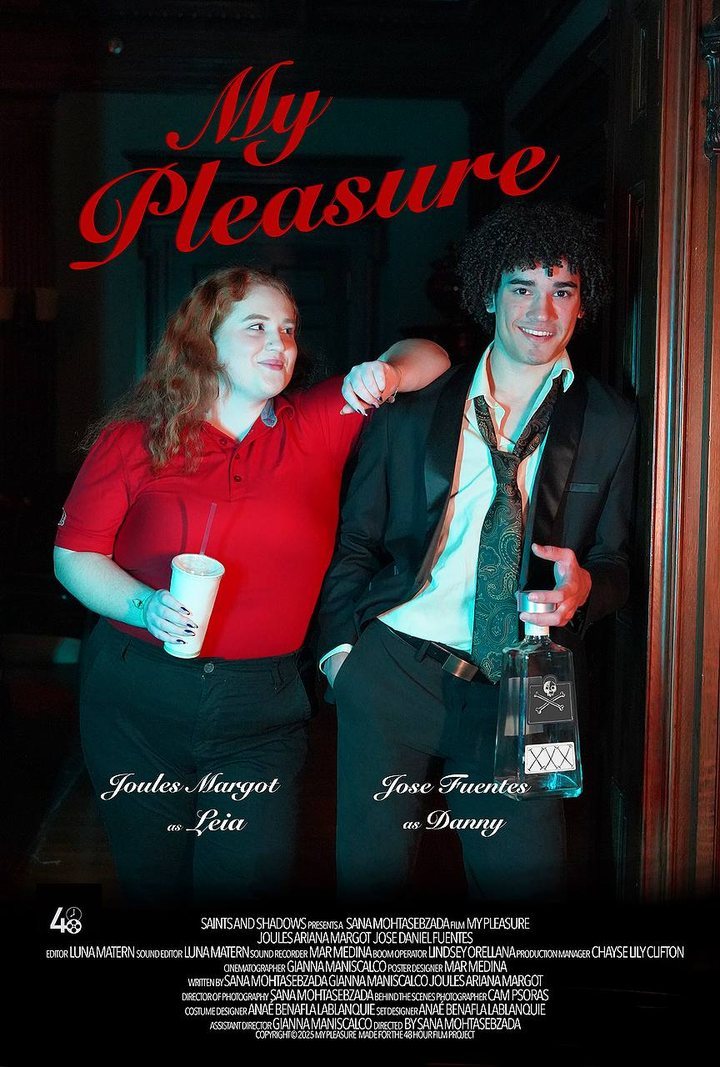
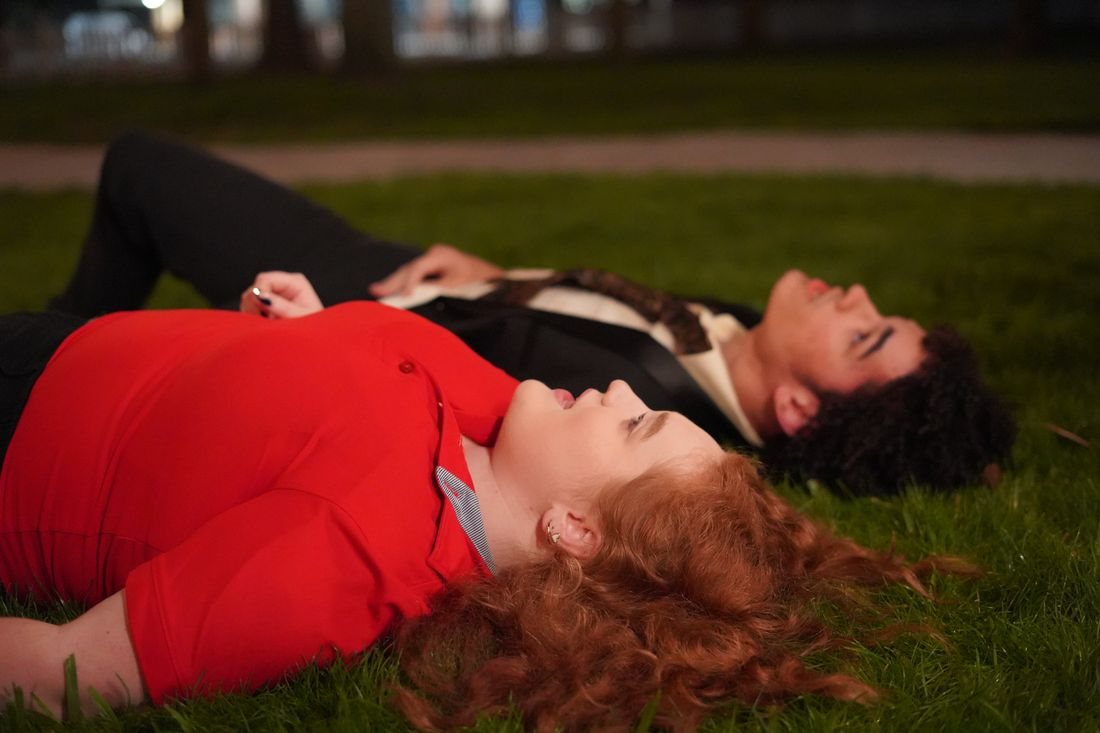
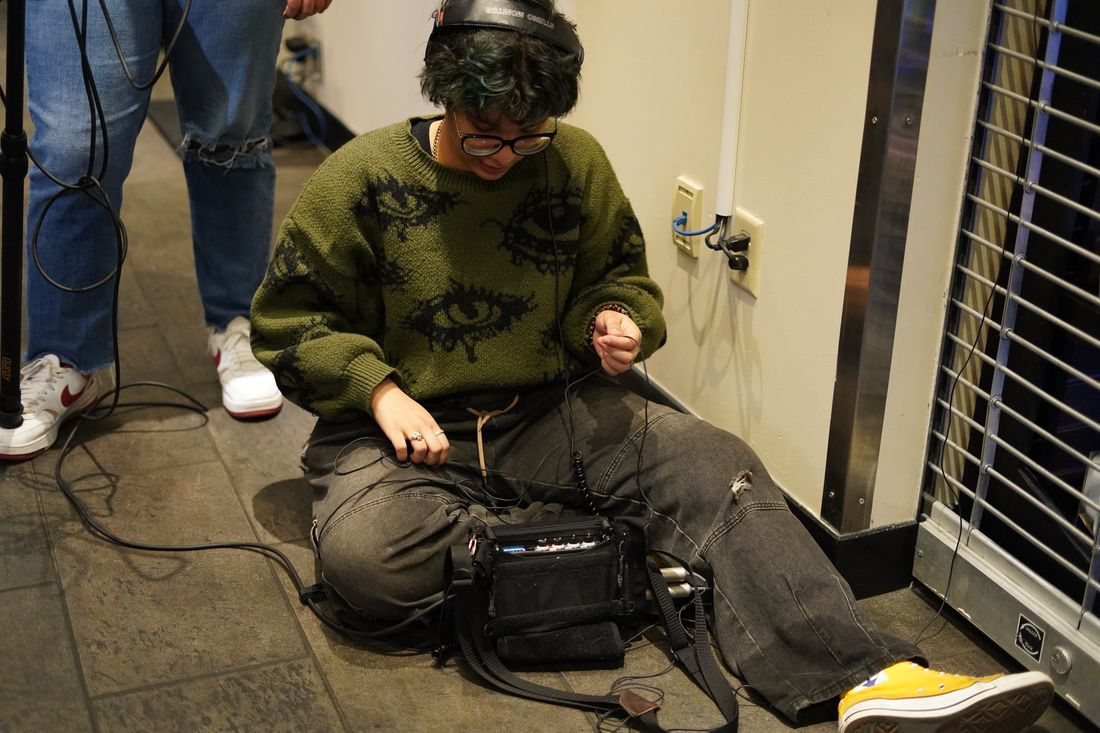
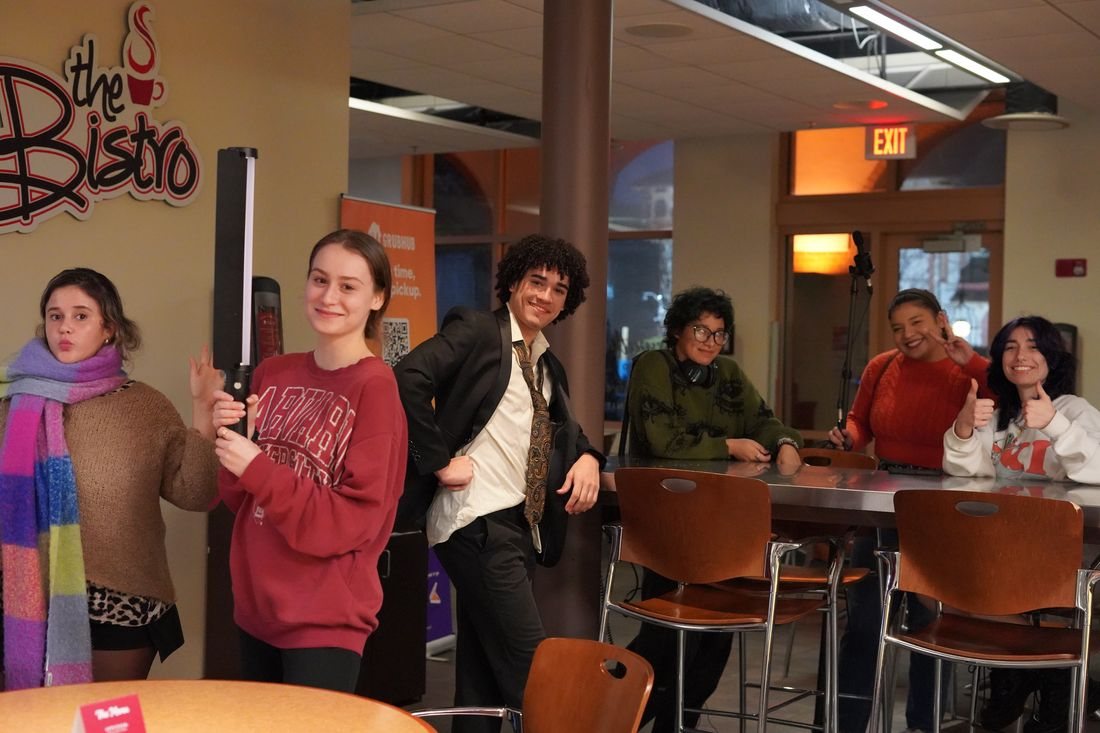
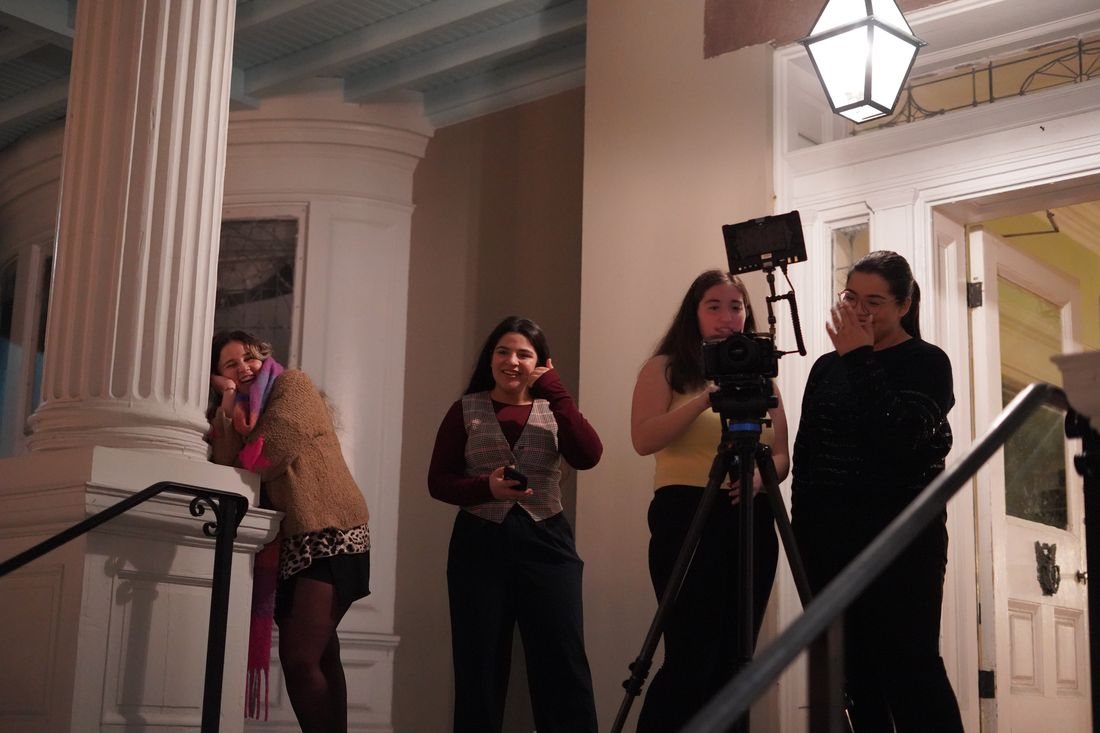
The camera she had first held as a child came back to her, too. In 2025, she directed and produced her own short film, My Pleasure, in 48 hours. She was proud of herself through every hour of it. She wanted life to stop right there so that she could go on living in that moment, because the moment stood for more than her own effort. It stood for everything her parents had endured and given up for their children’s dreams and their children’s right to an education.
Today, Sana is studying for a Bachelor of Fine Arts in film at the University of Central Florida.
Chapter Six
What She Stands For
◆
Sana is an advocate for the rights of women and children. She lived as a girl, and then as a young woman, in a place where those rights were denied, and she knows exactly what such a life feels like.
“I felt all of that pain, and I want to fight for the women and girls who have met the same fate. No one can understand them better than someone who has lived it.”
Fighting for women and girls is one of the aims of her life and her work. Nothing she faced in her homeland made her give up writing, and in writing she found her purpose. She has fought for her life and for her goals at every stage, and she hopes that her story will give others the courage to do the same.
Her dream is to direct films and to be a medium for the people whose voices no one has ever heard.
Quotations cited to Alfveby (2025) and Boone (2024) were first published by Flagler College. Full references appear under Press and Recognition.
Novels
Books
The Unwanted: Ten Days to Death
Adult dark fantasy
Book one of a planned trilogy
Persian edition, 2024
English translation nearing completion
In the world of the sorcerers, blood decides everything: The purebloods rule, and the unwanteds are cast out. It is a world of magic, dragons, and cruelty. Its sorcerers come from every part of the earth, their government holds five bases in five countries, and its unwanteds can be born anywhere, into ordinary families. Mohtasebzada built it this way so that readers anywhere could feel that they belong in it.
The Unwanted: Ten Days to Death is a story about class oppression and sacrifice, the cost of power, and the courage to resist. It is the first dark fantasy novel in Afghan literature and the first volume of a planned trilogy.
For agents and publishers
Category
Adult dark fantasy
Series
Book one of a planned trilogy
Original title
Henry Smith and the Nightmare Monster (changed in translation)
Persian edition
Published in Virginia in 2024, in a small print run
Held by the author; English-language rights available
The Persian edition is not sold online. To request a copy, use the address under Contact.
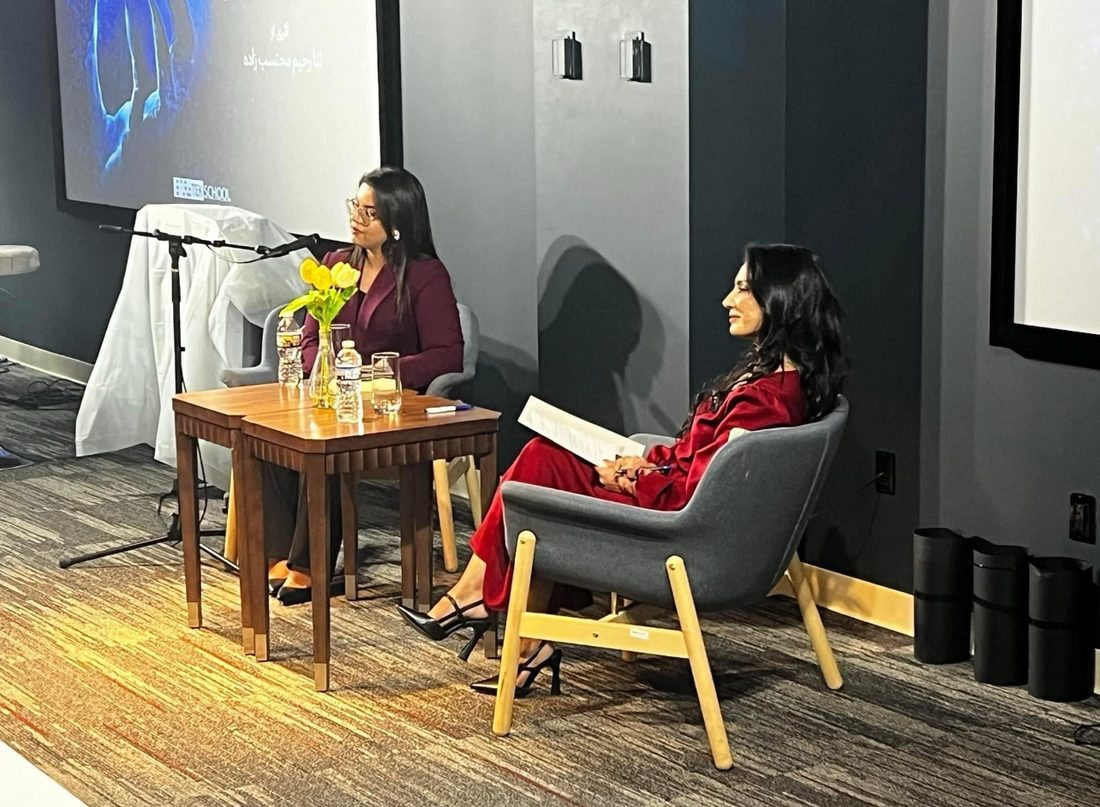
The launch of the Persian edition at TEK School in Virginia, May 2, 2024.
“A great writer is on her way!”Dr. Abdulghafour Arezou, Afghan writer, poet, and diplomat, speaking at the launch
The Piano of Fate
Novel
Persian
Mohtasebzada’s first novel, completed when she was 11. A young woman who has just turned 18 learns that the people who raised her are not her parents and that her whole life has been a lie. She sets out to find the truth.
The novel is not available online.
Written in English
Poetry
In the silence between words, where no sound dares to reach, I take my breath.
Mohtasebzada writes her poetry in English. These three poems are from Drops of My Soul, a collection of the first poems she wrote.
A Verse Forgotten
Sometimes, I am a poem, whispered soft and slow by an old man, drunk and dazed, as he wanders the city’s empty streets.
Sometimes, I am the mournful verse that catches in the gaze, that lingers in the throat, a line no pen will ever write, a verse forgotten.
I Have Fought for Years
My feet have ached since the day I learned to walk. Without pause, without thought, I have run to reach, to hold.
My feet have ached since the moment I knew myself. I have fought for every cause, even for things not worth the fight. I have fought for freedom, for love, to be what I am.
My bones cry out from all this running, all this fighting.
For years I have fought, and I am weary.
But will life, for once, fight to keep me?
My Heart Aches for Itself
My heart aches for itself. A moving muscle, beating without rest until the day it rests forever.
It struggles, alone, to give life to everyone, to care for everyone, to love, to be a warm embrace, so much that sometimes it forgets itself.
And one day, somewhere in life, it falters, it stops, and is forgotten.
And no one will ever know that for years and years it fought in the darkest place, behind suffocating ribs, for the life of every part.
Screen
Films
Mohtasebzada first stood on a set as a child, when her mother was directing. Her own work in film has just begun.
Director and Producer
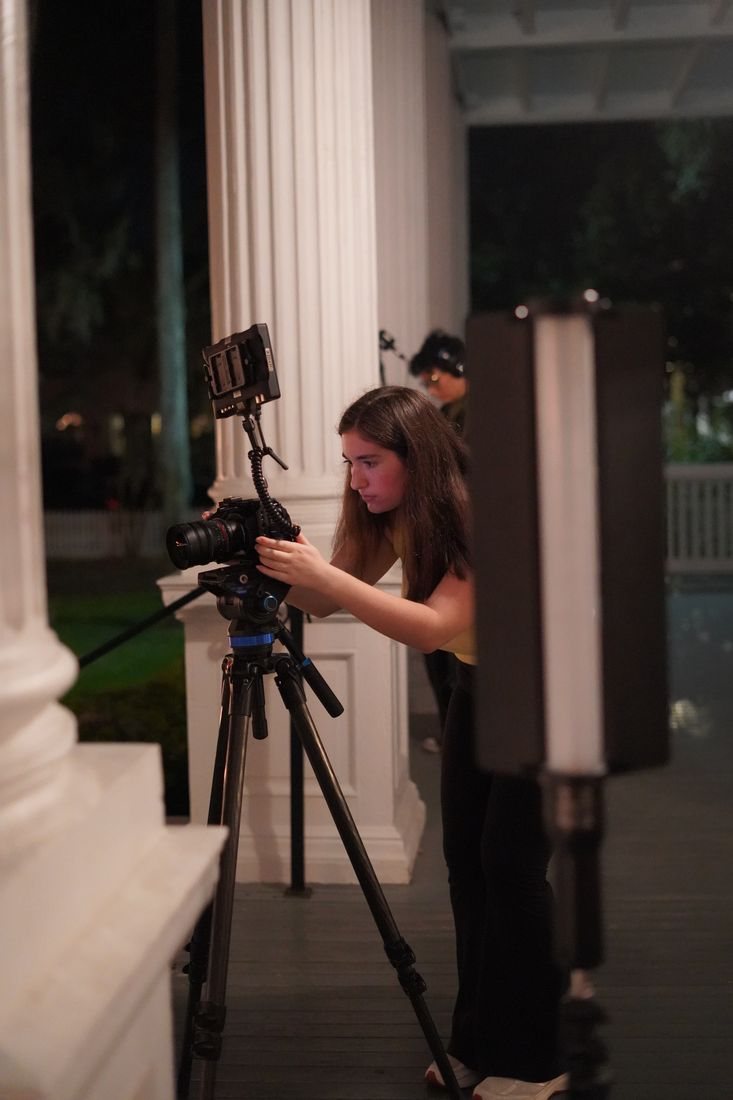
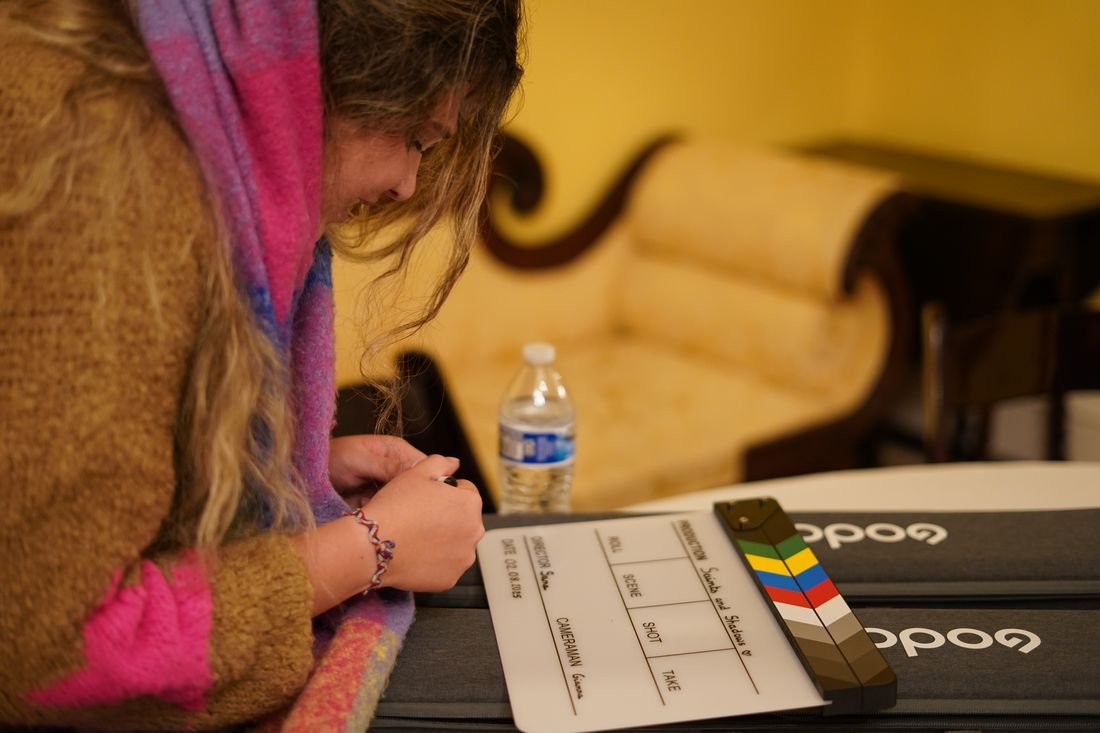
My Pleasure (2025), made for the 48 Hour Film Project. Mohtasebzada also shared the writing credit and served as the film’s director of photography.
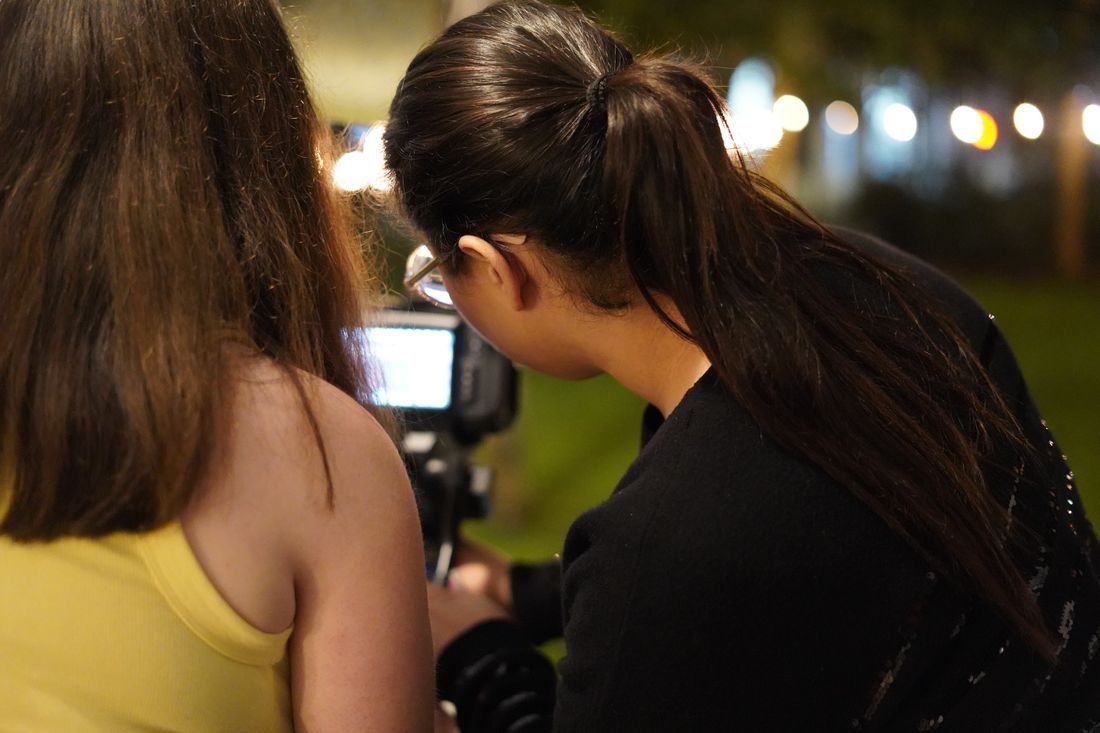
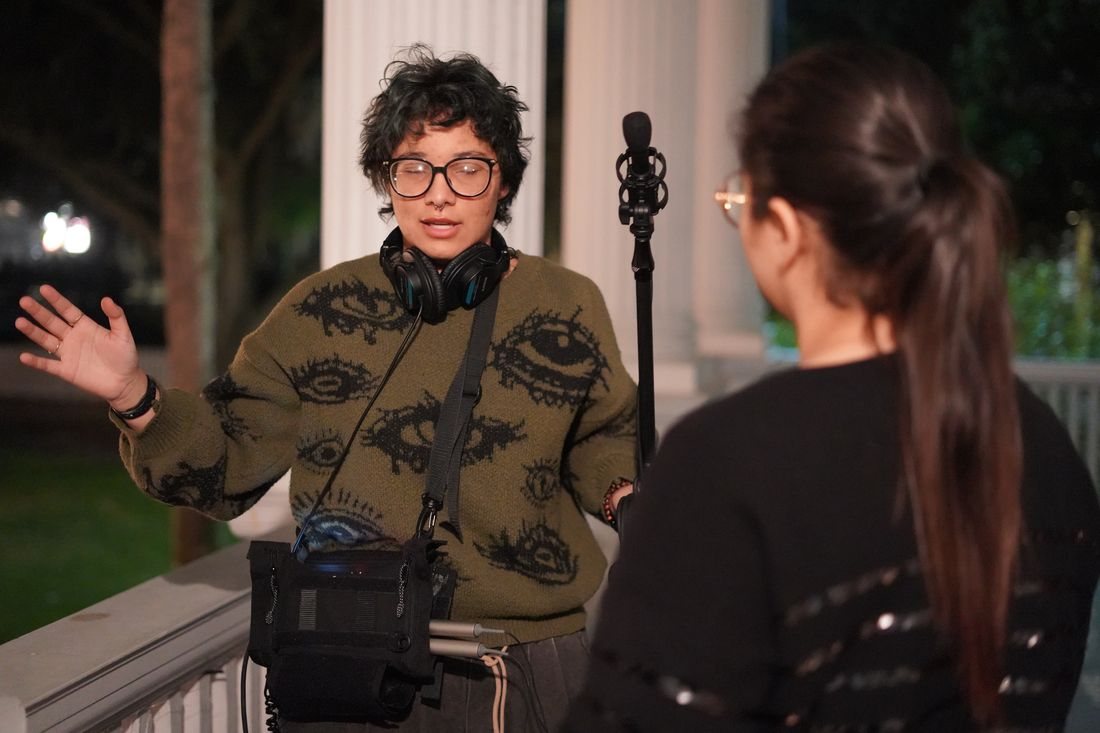
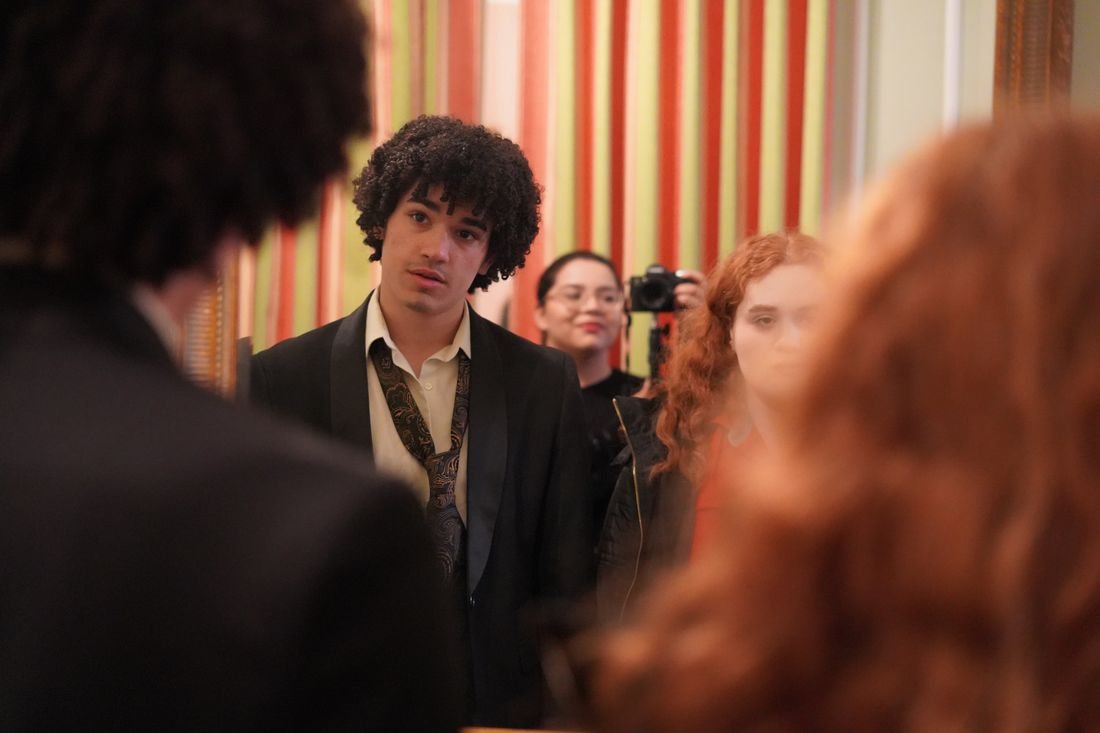
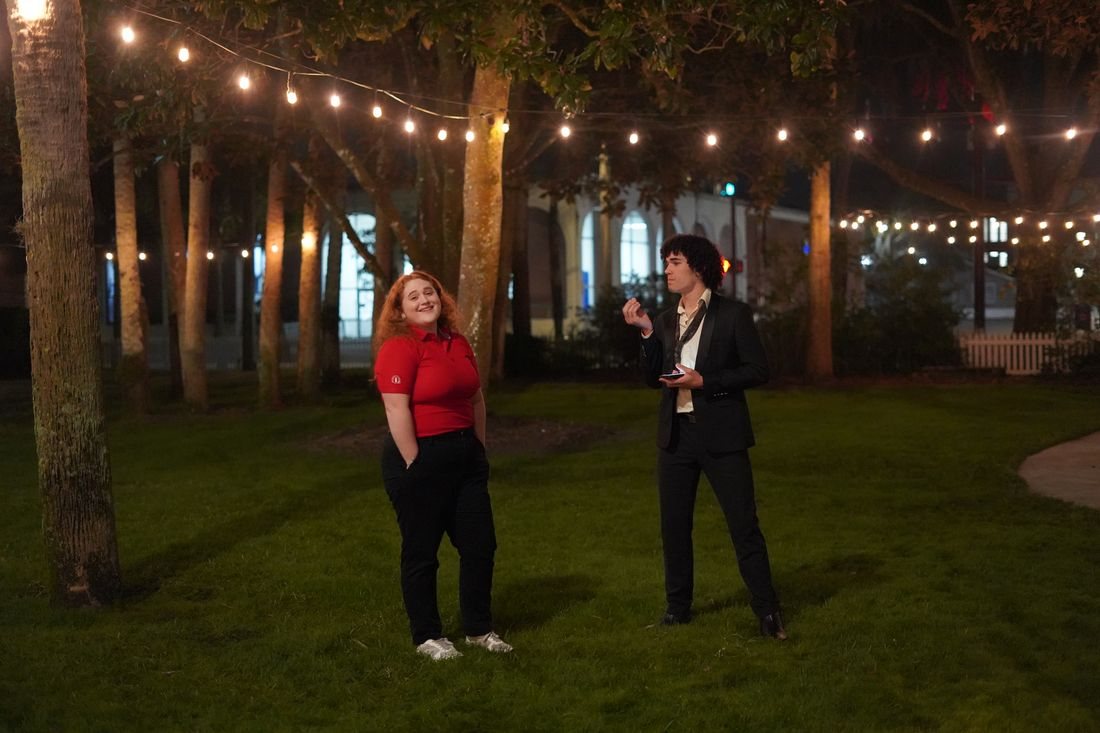
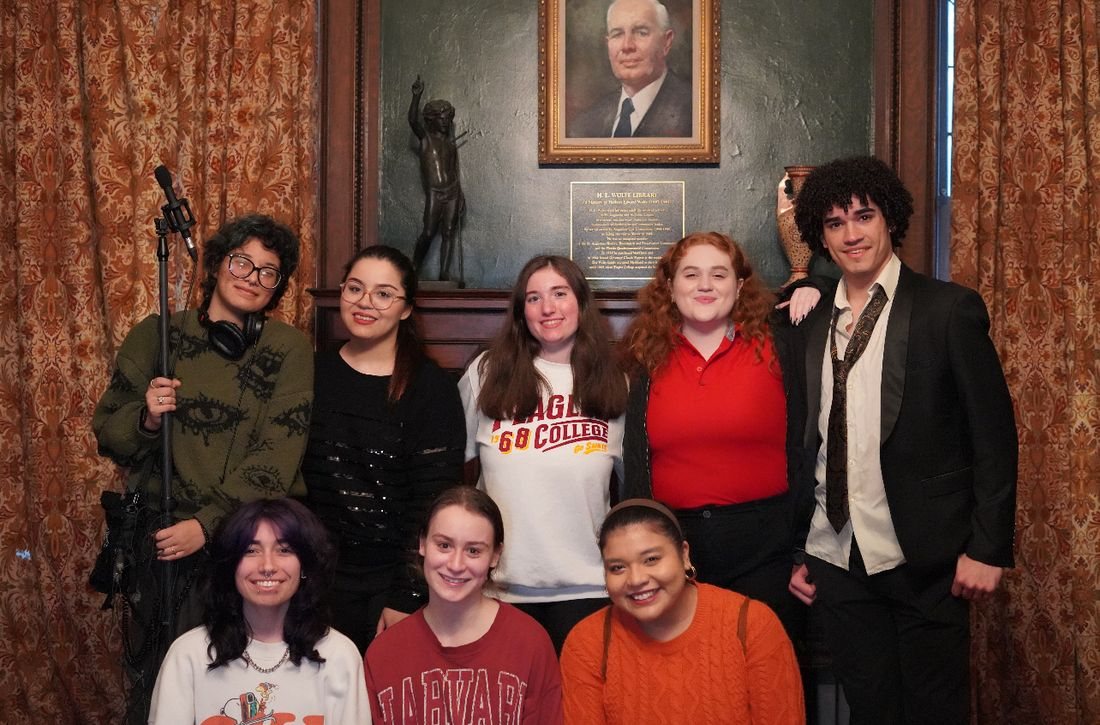
Behind the scenes of My Pleasure, 2025.Photographs by Cam Psoras.
Script Supervisor
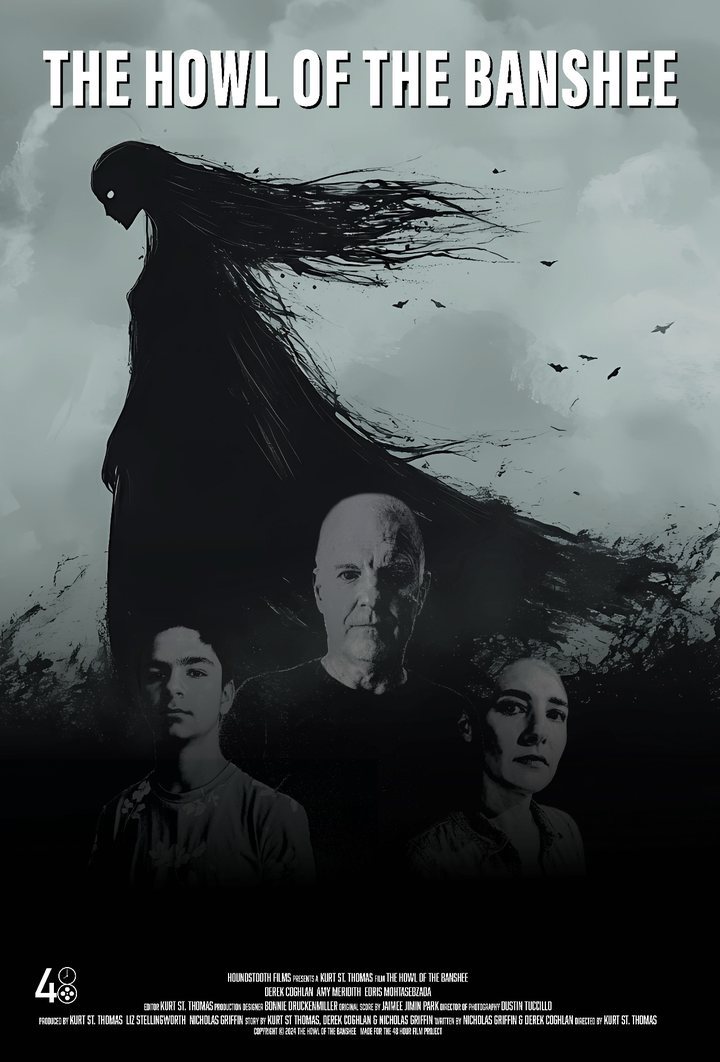
The Howl of the Banshee (2024), directed by Kurt St. Thomas, made for the 48 Hour Film Project.
Short fiction and articles
Writing
Tell Me About Heaven
Short story, published in Canada by Darakht-e Danesh Library.
Sana Mohtasebzada is an Afghan novelist, poet, and filmmaker who advocates for the rights of women and children. She was born in 2003 in Herat, Afghanistan, and is the author of The Unwanted: Ten Days to Death, the first dark fantasy novel in Afghan literature. She lives in the United States, where she is studying film at the University of Central Florida.
What is The Unwanted: Ten Days to Death about?
It is an adult dark fantasy novel and the first volume of a planned trilogy, set in a world of sorcerers divided between the purebloods, who rule, and the unwanteds, who are cast out. It is a story about class oppression and sacrifice, the cost of power, and the courage to resist.
Is The Unwanted: Ten Days to Death available in English?
Not yet. Mohtasebzada is translating the novel into English herself, and the translation is nearly complete. English-language rights are available, and sample chapters are sent to literary agents and publishers on request.
In which languages does Sana Mohtasebzada write?
Mohtasebzada writes in Persian and English. She wrote her novels and short stories in Persian, and she writes her poetry in English.
Where can I read Sana Mohtasebzada’s work?
Three of her poems, written in English, appear on this page under Poetry. Two of her short stories can be read online in Persian at no cost: “Tell Me About Heaven” and “Try to Stay Crazy.” Neither of her novels is sold online yet. Readers can request a copy of the Persian edition of The Unwanted: Ten Days to Death, and agents and publishers can request sample chapters of the English translation, through Contact.
What has Sana Mohtasebzada done in film?
Mohtasebzada directed and produced the short film My Pleasure (2025) for the 48 Hour Film Project, and she was the script supervisor on The Howl of the Banshee (2024), directed by Kurt St. Thomas. She is currently working on several small projects.
How can agents, publishers, and festivals reach Sana Mohtasebzada?
“I hope that one day I’ll see Afghanistan free and peaceful, its streets and alleys filled with laughter and music, with free women and men.”Sana Mohtasebzada (Alfveby, 2025)